After-Sales: The Real Battleground of China Auto Going-Global
Why the brands that win the next decade of overseas growth will be the ones who treat after-sales as strategy — not a cost center.
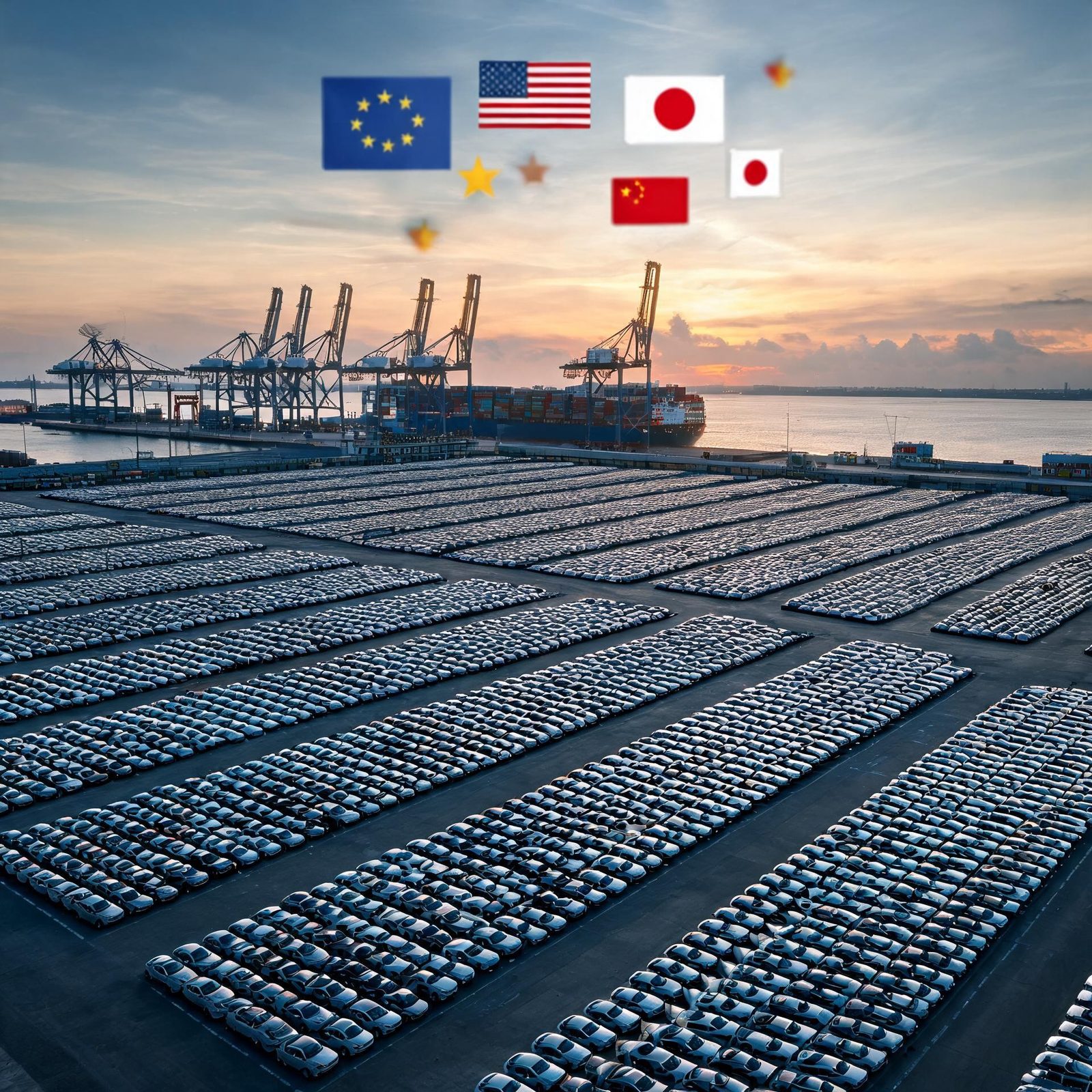
Most Chinese auto brands frame going-global as a sales problem: which market, which model, what price. That framing is why so many of them stall in year three. The real test isn’t getting cars into a country — it’s keeping customers after the sale.
The export push is loud. The after-sales reality is quiet.
Headlines track shipments and market share. Nobody writes about warranty turnaround in a secondary city. But the customer who waits three weeks for a part doesn’t come back for their second car — and they tell ten others.
What “after-sales as strategy” actually means
Network design beats network size. A tiered hub-and-satellite model with real parts flow outperforms a long list of under-equipped dealers. Warranty policy is a brand decision, not a legal checkbox. And CSAT is a leading indicator of renewal — distributor exclusivity gets renewed on service performance, not unit sales.
The brands that will still be overseas in 2030 are the ones investing now in the unglamorous operating system underneath the cars: parts logistics, technician certification, localized standards, and reporting the OEM can actually trust.